


FedEx Newark bird strike
 03-03-2025 | 04:50 PM
#11
On Reserve
Joined: Oct 2010
Posts: 91
Likes: 1
From: B757

Fly safe,
B757
03-04-2025 | 09:28 AM
#12
Disinterested Third Party
Joined: Jun 2012
Posts: 6,758
Likes: 74
Not one person in this thread has alluded to knowing more than anyone else.
Perhaps you should submit a list of those whom might be allowed to post in a given thread, lest it offend you again.
You're posting in this thread, too. Interesting.
03-04-2025 | 10:20 AM
#13
Gets Weekends Off
Joined: Oct 2005
Posts: 2,515
Likes: 66
From: MD-11 FO
Not one individual in this thread has claimed, or alluded to flying better than anyone else.
Not one person in this thread has alluded to knowing more than anyone else.
Perhaps you should submit a list of those whom might be allowed to post in a given thread, lest it offend you again.
You're posting in this thread, too. Interesting.
Not one person in this thread has alluded to knowing more than anyone else.
Perhaps you should submit a list of those whom might be allowed to post in a given thread, lest it offend you again.
You're posting in this thread, too. Interesting.
03-04-2025 | 03:29 PM
#14
Disinterested Third Party
Joined: Jun 2012
Posts: 6,758
Likes: 74
03-04-2025 | 06:25 PM
#15
Gets Weekends Off
Joined: Jun 2007
Posts: 4,223
Likes: 64
From: Legacy FO
03-04-2025 | 07:16 PM
#16

Gets Weekends Off
Joined: Nov 2011
Posts: 4,170
Likes: 97
From: Volleyball Player
From turbine engine investigation class:
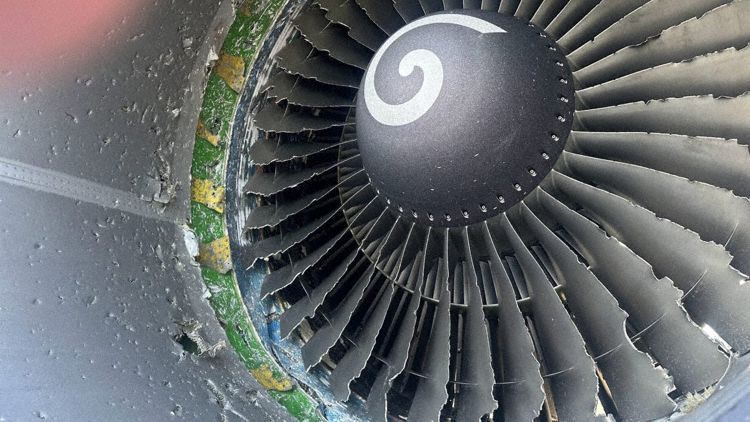
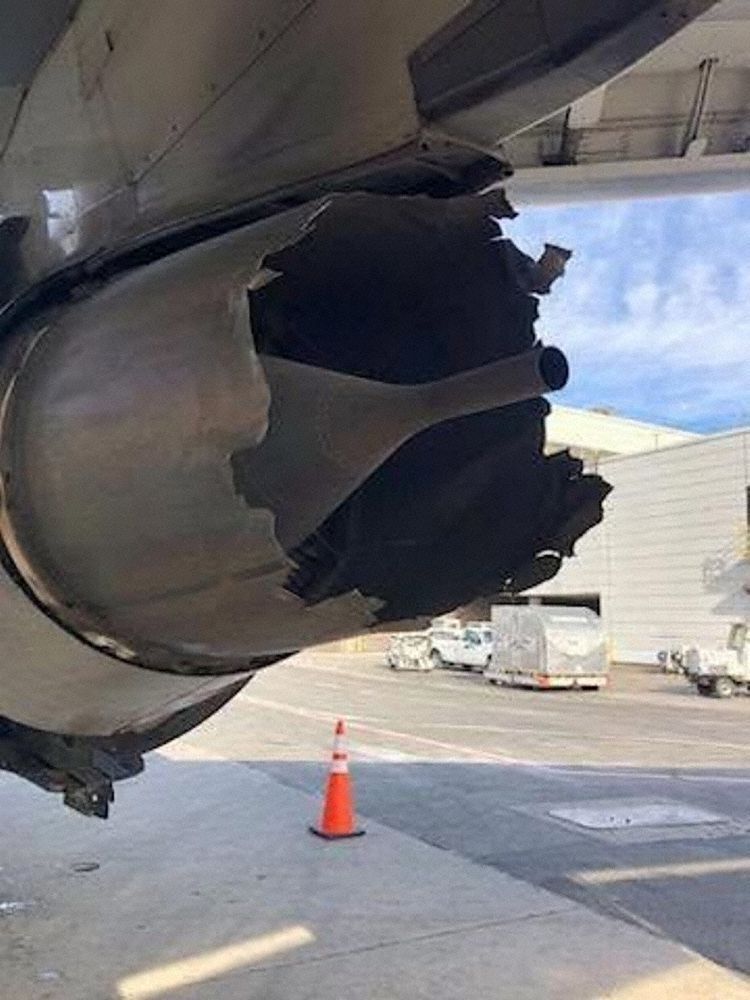
Most engine fires are cowling fires. Once you pull the fuel, there's literally nothing to burn in the core. Stuff like hydraulic fluid, oil and fittings/material within the cowling will burn though. Some of these are composite materials too. Most engine fires below something like 20K feet are all "in cowling" fires. That's where the fire bottle goes, because there's no point in dumping it in the engine-as soon as fuel is cut, the light is out in the core. It's sending so much air in there that it smothers anything going on instantly. Above that ~20K altitude, the air is too thin to support combustion within the cowling, so you don't see the same kind of fires.
Most engine fires are cowling fires. Once you pull the fuel, there's literally nothing to burn in the core. Stuff like hydraulic fluid, oil and fittings/material within the cowling will burn though. Some of these are composite materials too. Most engine fires below something like 20K feet are all "in cowling" fires. That's where the fire bottle goes, because there's no point in dumping it in the engine-as soon as fuel is cut, the light is out in the core. It's sending so much air in there that it smothers anything going on instantly. Above that ~20K altitude, the air is too thin to support combustion within the cowling, so you don't see the same kind of fires.
03-05-2025 | 06:54 PM
#19

All is fine at .79
Joined: Sep 2016
Posts: 4,490
Likes: 43
From: Paahlot
 03-07-2025 | 04:51 PM
#20
Line Holder
Joined: Apr 2007
Posts: 1,914
Likes: 48

Thread
Thread Starter
Forum
Replies
Last Post


