


Main cabin oxygen
 01-19-2016 | 05:31 PM
#1
Thread Starter
New Hire
Joined: Jan 2016
Posts: 2
Likes: 0
 Main cabin oxygen
I am an anesthesiologist with 30 years of experience, and a frequent commercial passenger. As someone who works with inhaled gas mixtures every day, I started wondering about the passenger oxygen systems available when depressurization occurs at altitude. I knew that the oxygen generators were chemically-based canisters that provide a low flow of oxygen for 6-10 minutes, usually enough time to reach a lower altitude. I spoke with a number of flight attendants, but none of them had ever been in a real oxygen mask deployment. I also spoke with a few captains, two of which had been in such a situation. These two pilots stated that even with the low-flow oxygen, as many as 30 % of the passengers will lose consciousness until lower altitudes are reached. The actual number undoubtedly depends on the altitude at which pressurization is lost, the age and health of the passengers and the time before a lower altitude is reached. I was wondering if anyone else could confirm this scenario. Mark S Donnell, MD Silver City, NM
 01-19-2016 | 05:52 PM
#3
Gets Weekends Off


Joined: Feb 2006
Posts: 6,236
Likes: 65
From: B-737NG preferably in first class with a glass of champagne and caviar
A blanket 30% statement made by a flight crewmember is rather unrealistic, unless the skipper or the officer runs through passenger cabin taking a head count of passed out passengers whilst the "Cabin Alt. Warning Horn" and "Emergency Descent" Non normal checklists are being accomplished.
Cabin crew who've experienced a R/D event are better to provide accurate information regarding incapacitated passengers rather than flight crewmembers.
The most common O2 chemical generator systems for many Boeing products provide O2 for about 12. Another system available for Boeing aircraft provide O2 for about 22 minutes.
Airbus may have different O2 generation systems... perhaps Airbus crews can chime in.
Cabin crew who've experienced a R/D event are better to provide accurate information regarding incapacitated passengers rather than flight crewmembers.
The most common O2 chemical generator systems for many Boeing products provide O2 for about 12. Another system available for Boeing aircraft provide O2 for about 22 minutes.
Airbus may have different O2 generation systems... perhaps Airbus crews can chime in.
Last edited by captjns; 01-19-2016 at 06:07 PM.
01-19-2016 | 07:41 PM
#6

Gets Weekends Off
Joined: Dec 2013
Posts: 2,329
Likes: 4
From: A320 CA
Agreed, and was taught this in AF altitude chamber training. They don't teach it at my airline though...I'd guess a lot of crew don't even realize this.
01-19-2016 | 09:21 PM
#7
Gets Weekends Off
Joined: Jan 2008
Posts: 1,422
Likes: 0
From: the correct seat
Willing to admit that I don't have as deep an understanding of this topic as you do. Thinking about it, it makes sense. Would you be able to provide a reference for this info?
 01-20-2016 | 02:26 AM
#9
Gets Weekends Off
Joined: Dec 2015
Posts: 513
Likes: 0
A blanket 30% statement made by a flight crewmember is rather unrealistic, unless the skipper or the officer runs through passenger cabin taking a head count of passed out passengers whilst the "Cabin Alt. Warning Horn" and "Emergency Descent" Non normal checklists are being accomplished.
Cabin crew who've experienced a R/D event are better to provide accurate information regarding incapacitated passengers rather than flight crewmembers.
The most common O2 chemical generator systems for many Boeing products provide O2 for about 12. Another system available for Boeing aircraft provide O2 for about 22 minutes.
Airbus may have different O2 generation systems... perhaps Airbus crews can chime in.
Cabin crew who've experienced a R/D event are better to provide accurate information regarding incapacitated passengers rather than flight crewmembers.
The most common O2 chemical generator systems for many Boeing products provide O2 for about 12. Another system available for Boeing aircraft provide O2 for about 22 minutes.
Airbus may have different O2 generation systems... perhaps Airbus crews can chime in.
01-20-2016 | 03:40 AM
#10
Gets Weekends Off
Joined: May 2010
Posts: 5,244
Likes: 2
From: Baja Vermont
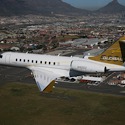
For FL510 cert, they open a valve simulating a lost window, the cabin goes up at aabout 2000fpm IF the ACMs are pumping in air. On a Global, turn off a pack at F450 and you won't know. The idea that the cabin will have an explosive decompression at crusie and nearly immediately match aircraft is incorrect unless it is near catastrophic fuselage damage.
GF
GF

Thread
Thread Starter
Forum
Replies
Last Post


